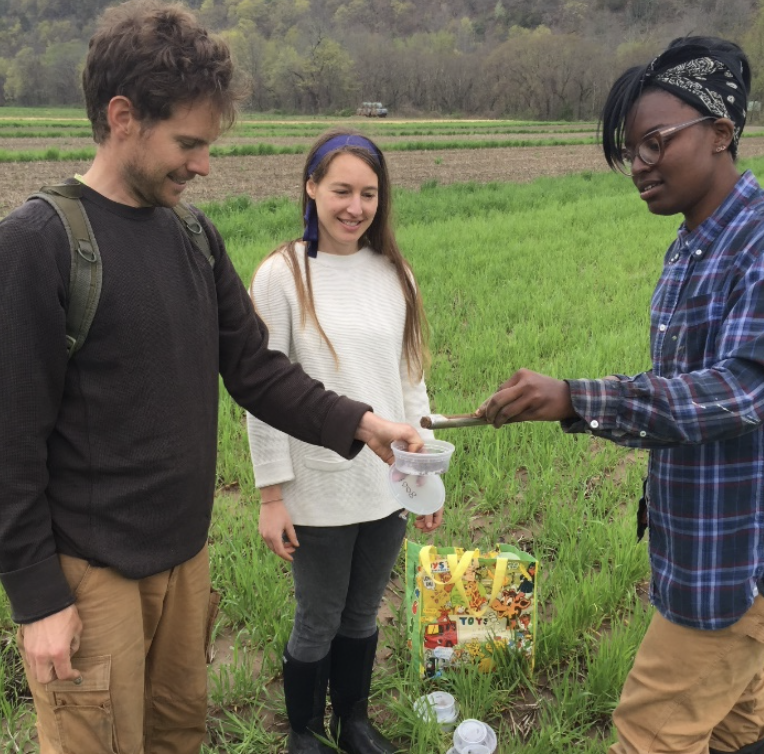
El Farm Hub colabora con instituciones académicas y educadores de la región para investigar y demostrar prácticas agrícolas que tienen como objetivo equilibrar la resiliencia ecológica y la viabilidad de las granjas.
This program serves as a platform for sharing information, innovation, and ideas toward a more resilient agriculture and food systems, one that supports production and ecological goals such as climate resilience, biodiversity, soil health and water quality
Fostering collaboration with mission-aligned organizations plays an important role in the success of agronomic research at the Farm Hub. Click aquí to meet some of the researchers and scientists we work with from partner organizations including Cornell Cooperative Extension Eastern New York Commercial Horticulture Program and the Cornell Sustainable Cropping Systems Lab.
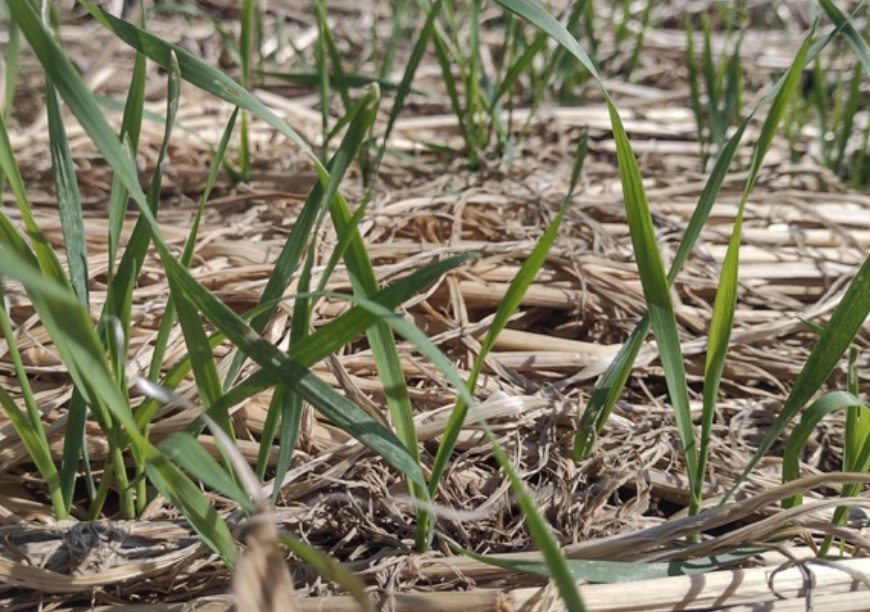
To identify small grains varieties adapted to the Hudson Valley in order to support farmers and cultivate interest in locally grown ingredients by farmers, millers, bakers, and community residents.
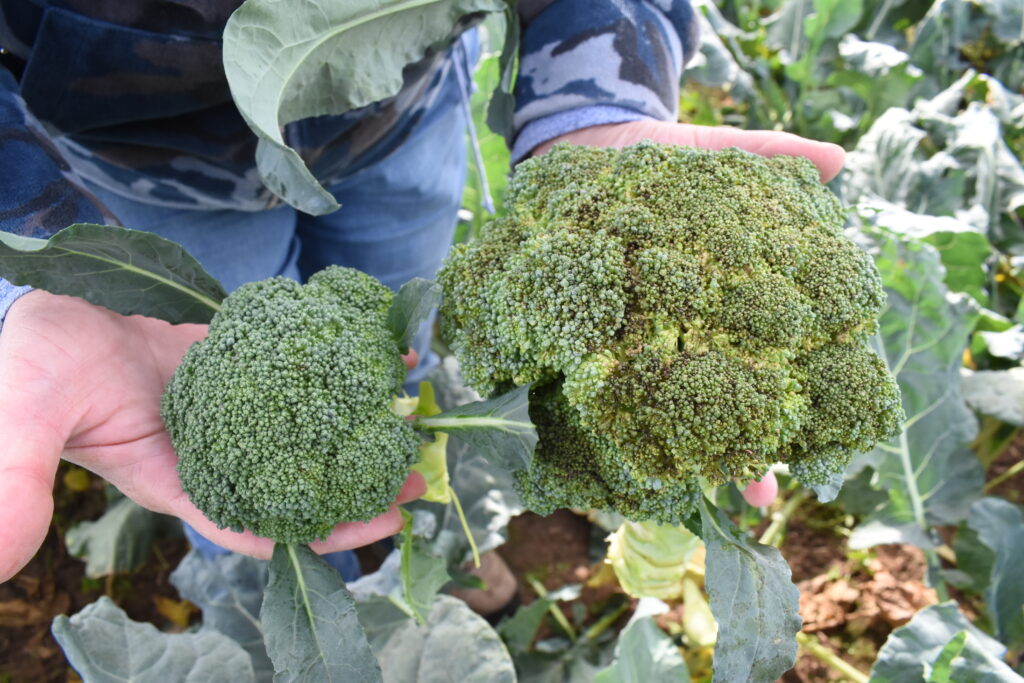
To increase resiliency of organic vegetable production through integrated pest and disease management, regionally adapted varieties, and greenhouse gas sequestration strategies. This research is conducted in collaboration with Cornell Cooperative Extension Eastern New York Commercial Horticulture Program. Meet our researchers aquí!
2025 Trials:
Colorado Potato Beetle (CPB) Management
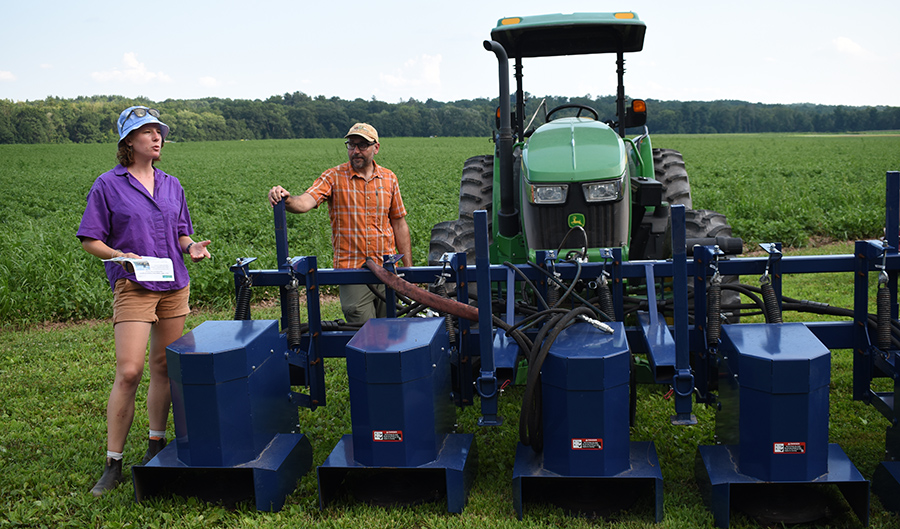
Evaluating organic insecticide and mechanical (flaming, knock off and bury, plant sweeper) CPB control options for efficacy and ease of operation.
Year 1 of study
Field Tomato Disease Management
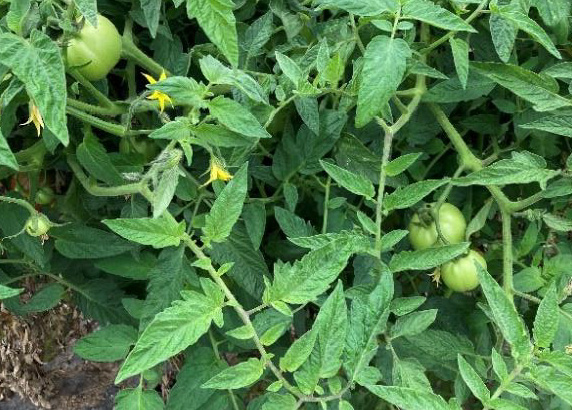
Fine tuning organic fungicide programs using the novel bio-fungicide ‘Oso’ (Polyoxin D zinc salt) while potentially lowering copper fungicide inputs
Identifying potential organic management strategies for garlic anthracnose, a fungal disease that is becoming more severe in the Hudson Valley. While there are effective conventional fungicides available, there has not been any applied research on organic management for this pathogen.
Year 1 of study
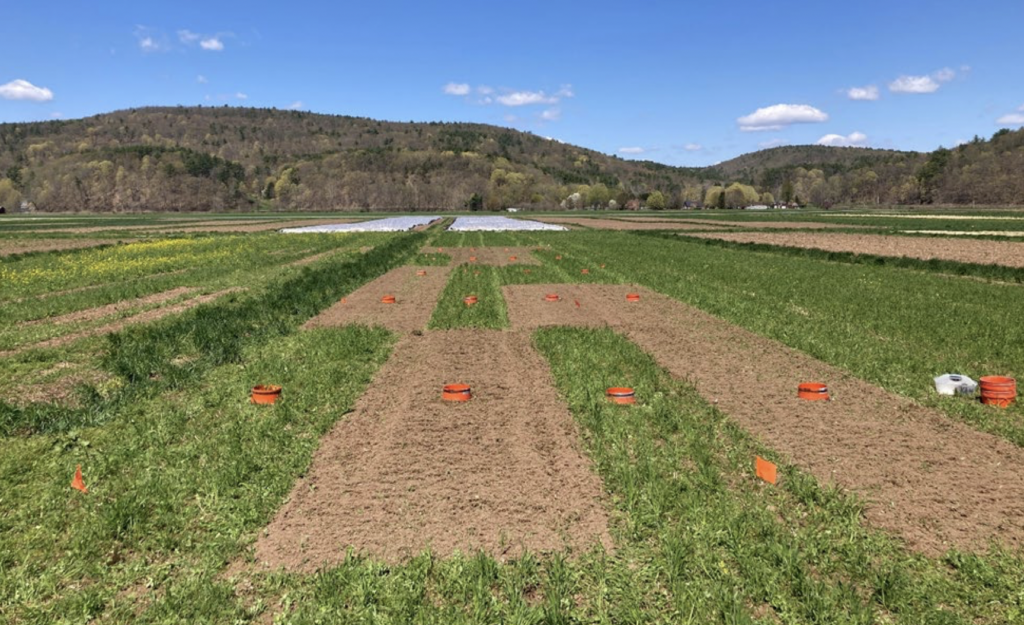
Greenhouse Gas Flux Rates in Reduced Tillage Vegetable Production
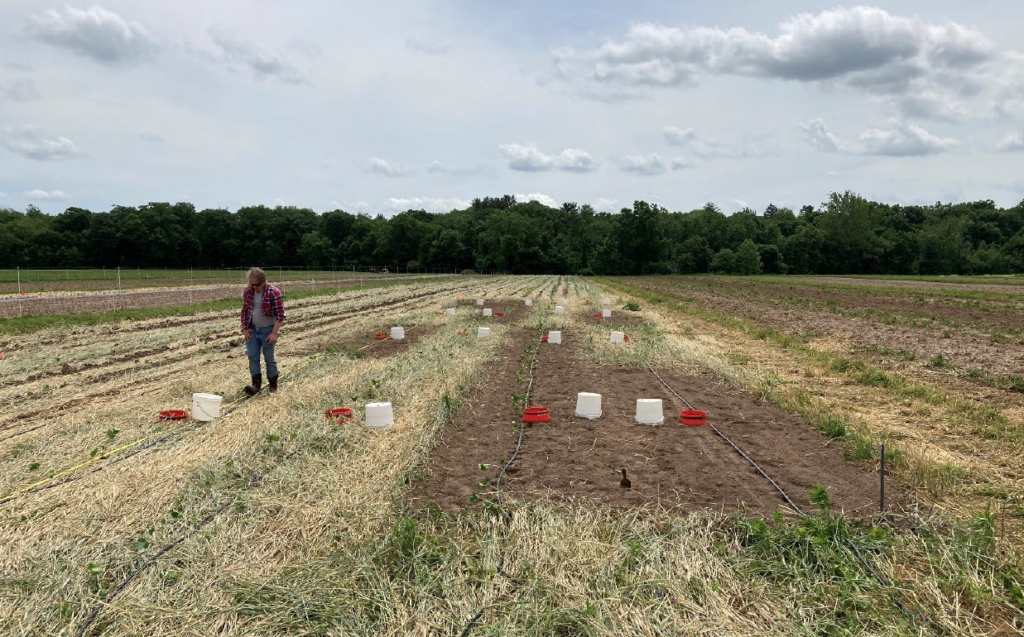
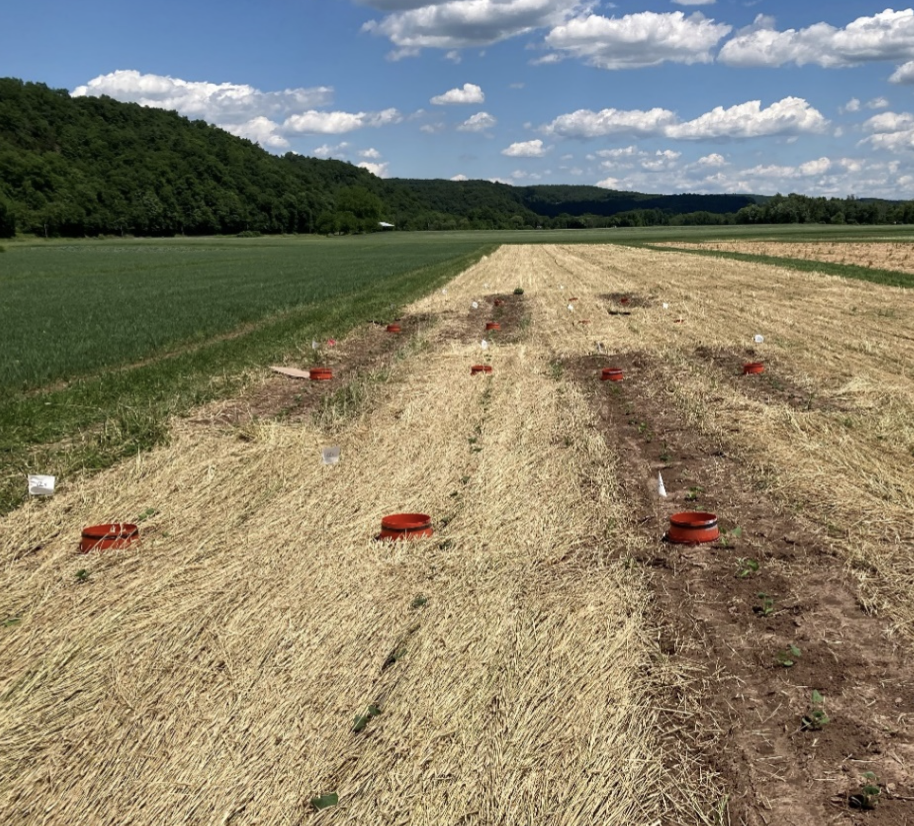
Measuring potential changes to soil carbon levels resulting from the addition of the persistent carbon amendment biochar over a three-year period. In addition to assessing impacts on soil carbon, the team will monitor greenhouse gas flux rates over the season, soil nutrient availability and uptake, soil temperature and moisture, and crop yield.
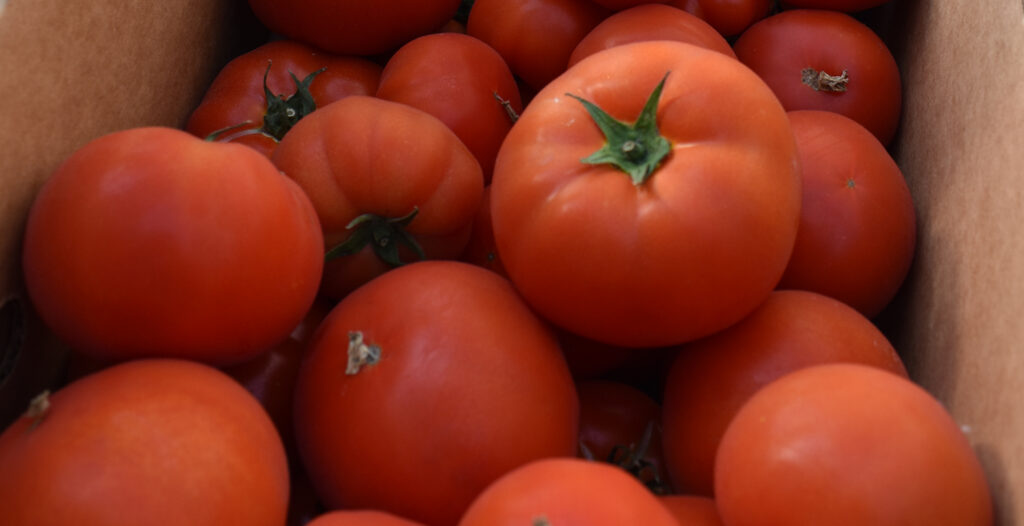
Evaluating pre-commercial tomato cultivars referred to as “hylooms” because they exhibit desirable traits of heirloom varieties (color, shape, etc.) while maintaining modern advantages of hybrid varieties such as disease resistance and storability. These cultivars, developed by Cornell vegetable breeder Greg Vogel, are specifically adapted to NY and being evaluated for susceptibility to yellow shoulder/white core, disease susceptibility, marketable yield and horticultural attributes such as easliness, fruit size, firmness, color flavor, crack resistance and high temperature fruit set.
Year 1 of study
Mitigating ‘Tip Burn’ in Winter Spinach
Evaluating strategies to improve the quality and marketable yield of spinach grown in high tunnels over the winter that is prone to the abiotic calcium (Ca) deficiency disorder known as “tip burn”.
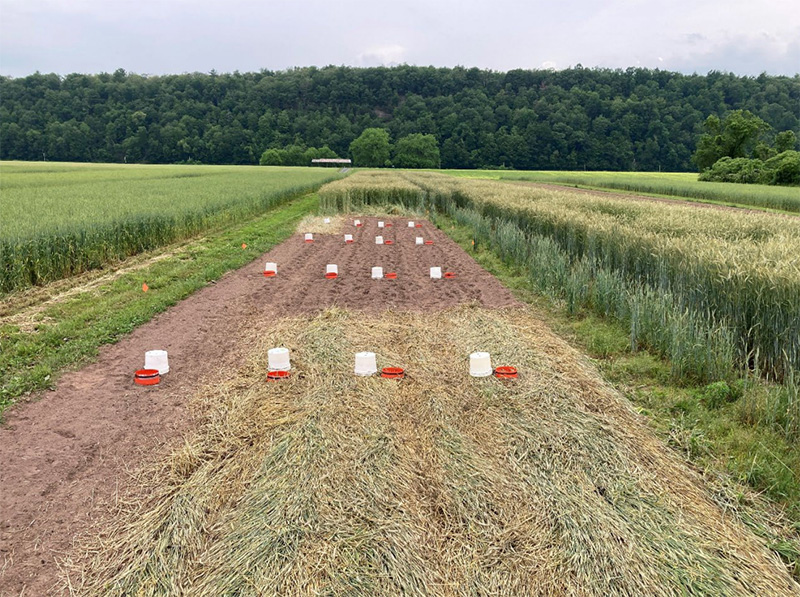
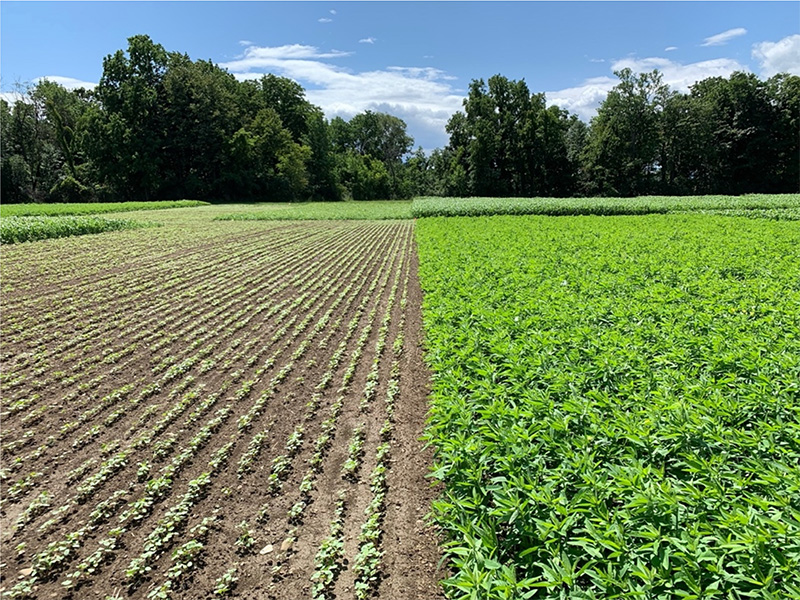
To build on previous research with reduced tillage in organic grain crop production using cover crop-based organic no-till management. This project aims to test management strategies, identify solutions to challenges (such as weed management), and develop robust guidelines that facilitate sustained adoption of regenerative practices.
Organic spring wheat production can be challenging because of weed competition from winter annual weeds and variable weather in the spring that restricts timely soil tillage and planting. In this experiment, researchers will compare fall planted cover crops for organic no-till spring wheat production.
Interrow mowing is an effective alternative to interrow cultivation that is compatible with organic no-till planted row crops. Researchers will test the effects of interrow mowing on weed suppression and yield in organic no-till planted dry beans
Achieving success with no-till planting organic corn into rolled-crimped cover crops is somewhat challenging because of tradeoffs between weed management and nitrogen availability. Researchers will test different cover crops, as well as the use of starter fertilizer and interrow mowing in organic no-till planted corn.
Year 1 of study
Past Research Trial Reports
2024
2024
Evaluating Potential Impacts of Biochar on Greenhouse Gas Flux Rates and Annual Vegetable Crop Production in Organic Reduced Tillage Systems
2024
Estudio de fertilidad de potasio en tomate en túnel alto
2024
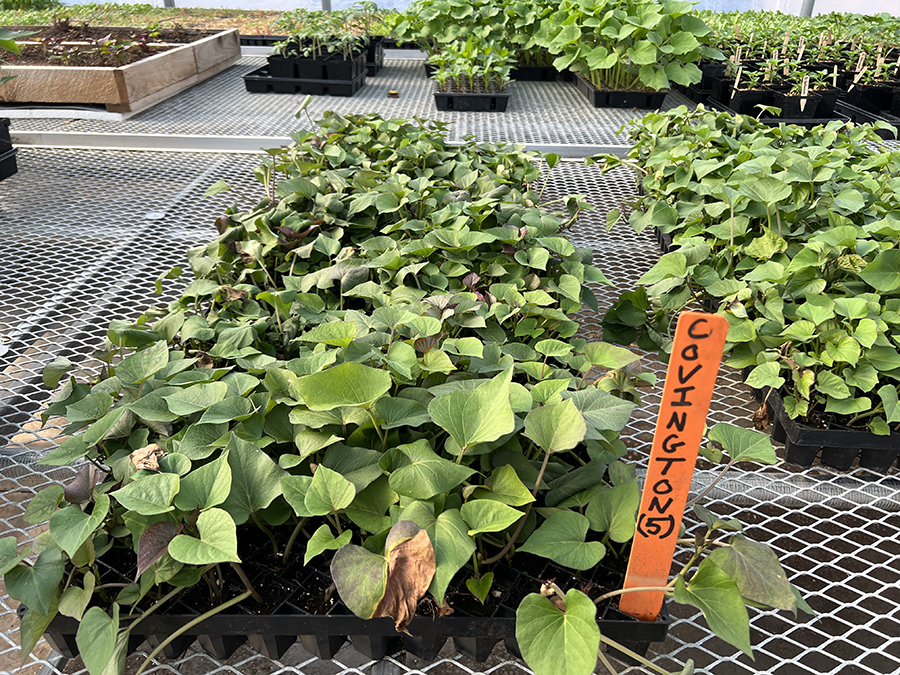
Local Sweet Potato Slip Production and Variety Trial
2024
Managing Field Tomato Diseases with OMRI-Listed Fungicides
2024
Mitigating the Abiotic Disorder Tip Burn in Overwintered Spinach
2024
Taking tillage out of organic grain crop production
2023
2023
Effects of using Plastic Mulches compared to Bare Ground Raised Ridges and Variety Selection on the Yield and Quality of Sweet Potato Roots
2023
Evaluating Potential Impacts of Biochar on Greenhouse Gas Flux Rates and Annual Vegetable Crop Production in Organic Reduced Tillage Systems
2023
Estudio de fertilidad de potasio en tomate en túnel alto
2023
Taking tillage out of organic grain crop production
2022
2022
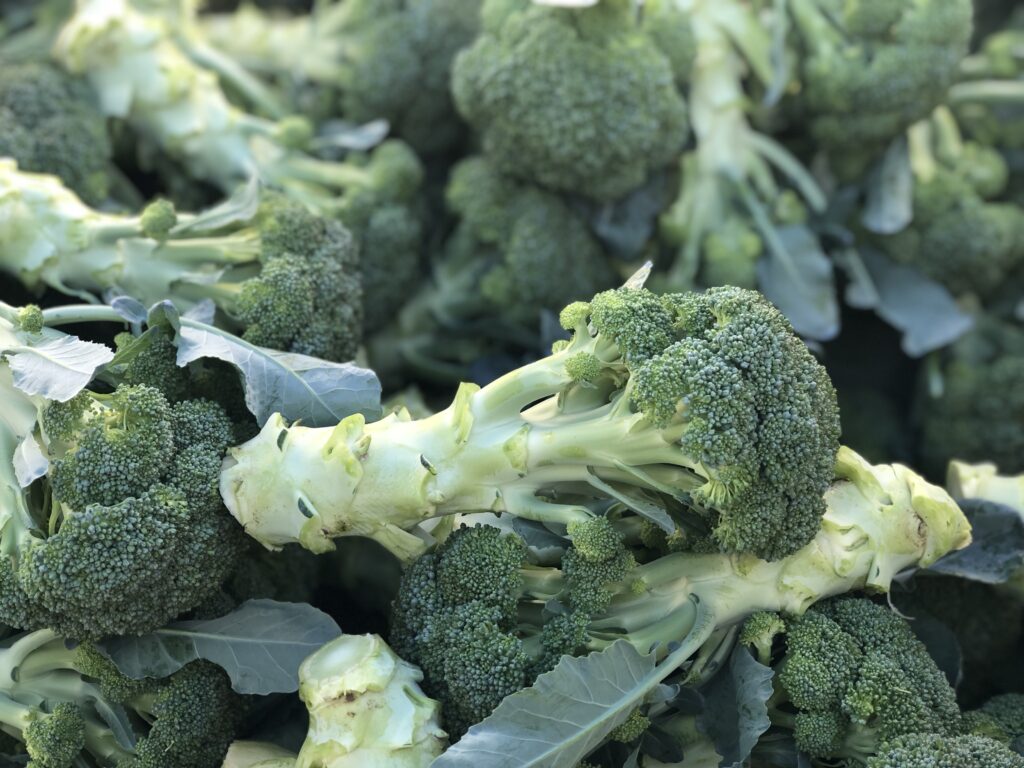
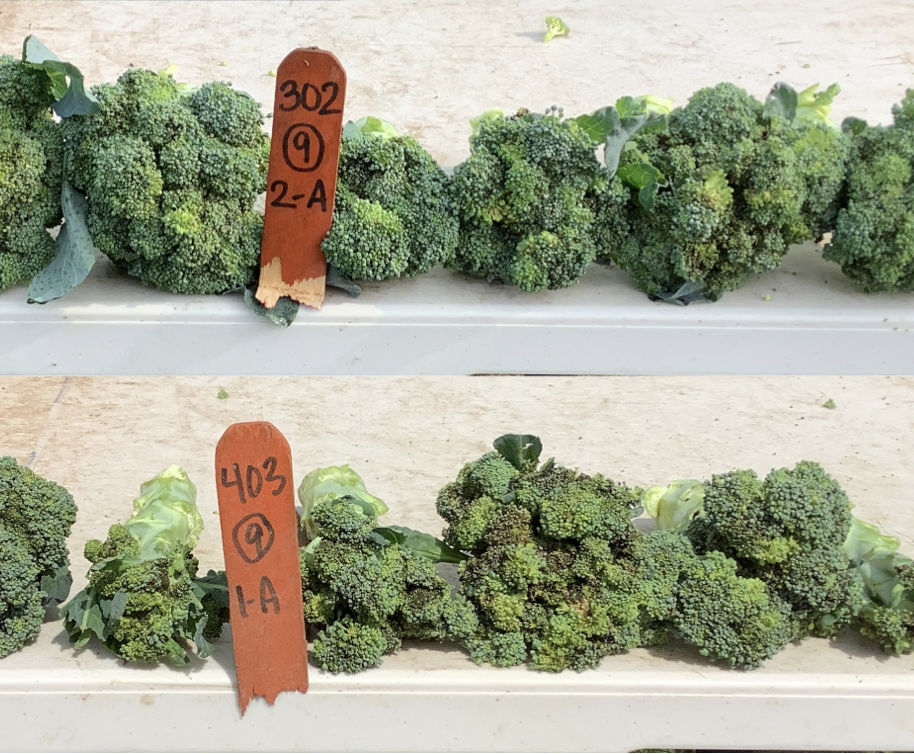
Biofungicide, Biorational, and Copper Fungicide Programs to Manage Alternaria Leaf Spot and Head Rot in Broccoli
2022
Evaluación de los impactos de labranza cultivos de cobertura en el flujo de gases invernadero en sistemas de cultivo anuales de producción de vegetales en el este de Nueva York
2022
Producing Sweet Potato Slips On-Farm from Certified Rootstocks and Effects of Planting on Plastic Mulches Versus Bare Ground Ridges on Overall Marketable Yield and Quality
2022
Taking tillage out of organic grain crop production
2021
2021
Biofungicide, Biorational Fungicide, and Copper Fungicide Programs to Manage Alternaria Leaf Spot and Head Rot in Broccoli
2021
Evaluating the use of Entomopathogenic Nematodes for Controlling Wireworms and Colorado Potato Beetle in Potatoes
2021
Evaluating Tillage and Cover Crop Impacts on Greenhouse Has Flux in Annual Vegetable Production Systems in Eastern New York
2021
Producing Sweet Potato Slips On-farm from Certified Rootstocks and Effects of Slip Quality on Overall Marketable Yield and Quality
2020
2020
Evaluating the use of Entomopathogenic Nematodes for Controlling Wireworms and Colorado Potato Beetle in Potatoes
2020
Evaluación de los impactos de labranza cultivos de cobertura en el flujo de gases invernadero en sistemas de cultivo anuales de producción de vegetales en el este de Nueva York
2020
Organic Management of Brassica Diseases: Efficacy Study of Biorational Pest Control Materials
Ecología del Agro-Paisaje: Una serie de proyectos de investigación y demostración exploran la interconexión y el equilibrio entre la agricultura y la naturaleza silvestre. Ver aquí para saber más.
Organizamos eventos para que los agricultores en el Farm Hub compartan los hallazgos de nuestros proyectos de investigación y demostración.
Pruebas de investigación anteriores en el Farm Hub
El minador de hojas de Allium en el ajo: Una prueba que evalúa métodos de control y reducción del ataque de la plaga del minador de hojas de Allium en puerros, cebolletas y ajos.
Hongo Fusarium en el ajo: Dos pruebas en el Farm Hub evaluaron métodos para controlar y reducir la infección por fusarium en el ajo.
Prueba de biocontrol con nematodos contra el escarabajo de la papa: El Farm Hub está estudiando el uso de nematodos benéficos (Nematodos Entomopatógenos) para el control del gusano de alambre y el escarabajo de la papa de Colorado en las papas.
NOVIC: Participación en la Prueba de Semillas Orgánicas de Northern Organic Vegetable Improvement Collaborative, un programa nacional que busca aumentar las variedades de semillas orgánicas para los agricultores.
Prueba de soya orgánica sin labranza: Examinó la eficacia del método de rodar y aplastar (roll and crimp) para el control de malezas, y cómo se puede incorporar con los cultivos de cobertura.
Prueba de variedades de cultivos de raíz: Evaluación de treinta y una variedades de zanahorias, dieciocho variedades de betabel y siete variedades de zanahoria blanca en cuanto a rendimiento, apariencia, color, sabor y capacidad de almacenamiento.
Eliminar la labranza de la rotación de cultivos orgánicos: Dos pruebas distintas en colaboración con Cornell University - Sustainable Cropping Systems Lab, estudian 1) métodos para el control de malezas en el establecimiento perenne de Kernza, y 2) Examinar los factores bióticos (plagas, crecimiento de cultivos de cobertura) y abióticos (humedad del suelo, nutrientes del suelo, temperatura) que afectan a los cultivos comerciales anuales plantados sin labranza en verano e invierno. Lea el informe final.
Prueba de variedades de tomate: Como parte de un programa en curso de Cornell Cooperative Extension para el desarrollo de líneas de tomate con resistencia a tres enfermedades destructivas de las plantas: tizón tardío, tizón temprano y mancha foliar por septoria.
Estudio de Variabilidad Espacial Carbono-Suelo Orgánico de toda la Granja: En colaboración con Woods End Laboratories, este esfuerzo de muestreo de suelo en toda la granja de 1,500 acres examinará las reservas de carbono en diferentes zonas de gestión y tipos de suelo.